
Date : April 28, 2026
Category: Recovery & Wellness
The Cold Plunge Buying Guide: What to Check Before You Spend a Dollar
There are more cold plunge options in 2026 than ever before. Prices range from $200 to over $15,000. Most of them look similar in product photos and sound similar in marketing copy. Most of them are not. But the problem is knowing what separates a system that lasts from one that fails in six months, what really matters in daily
There are more cold plunge options in 2026 than ever before. Prices range from $200 to over $15,000. Most of them look similar in product photos and sound similar in marketing copy. Most of them are not.
But the problem is knowing what separates a system that lasts from one that fails in six months, what really matters in daily use versus what is just a selling point, and which features you genuinely need for how you plan to plunge.
This cold plunge guide hub site skips the brand rankings. Instead, it gives you the framework to evaluate any system yourself. Starting with the one question most guides never ask. If you want to compare specific systems first, the cold plunge systems breakdown on this site covers that in detail.
Before Anything Else: How Often Do You Plan to Plunge?
This is the question that determines everything else. Budget, chiller type, filtration needs, and build quality requirements all flow from one answer: How many times per week will you truly use this?
Most buying guides jump straight to price tiers. That is backwards. A $500 setup can be the right choice. A $5,000 setup can be a waste. It depends entirely on your usage pattern.
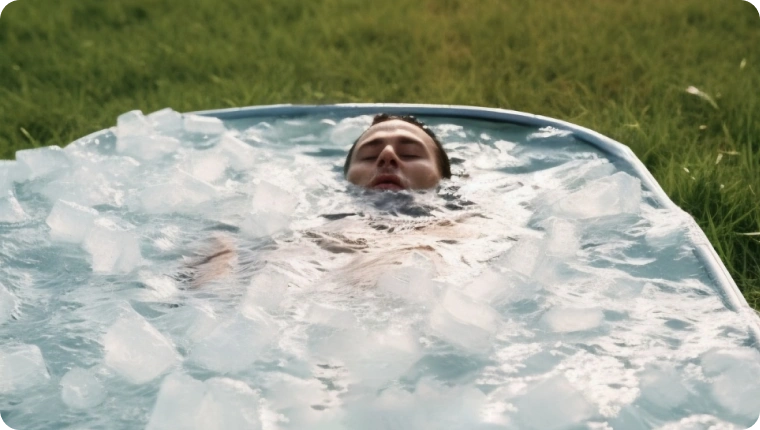
- 1 to 2 times per week: An ice-based tub or basic portable setup works. The manual effort is manageable at this frequency, and the upfront cost is low while you build the habit.
- 3 to 5 times per week: Ice becomes expensive and inconsistent fast. A chiller-integrated system starts making real financial sense. The convenience gap also grows quickly once you are plunging into this regularly.
- Daily use: Filtration quality and build durability become the priority. Cheap systems are not built for this kind of load. A weak filtration system fails, water goes bad, and the habit breaks.
Figure out which category you are in before reading another spec sheet.
Cold Plunge Chiller vs Ice: The Honest Cost Breakdown
This is the decision with the biggest long-term impact and the one most people get wrong. Not because they choose incorrectly, but because they do the math too late.
Ice-Based Setup
No electricity required. Low upfront cost. Temperature drops as ice melts, which means every session is different. For occasional use or testing the habit, ice works fine.
The real cost: buying 40 lbs of ice four times per week at roughly $3 per 10 lbs adds up to around $50 per month. That is $600 per year. In warm climates or summer months, you need more ice per session, and the number rises.
Chiller-Integrated System
Consistent temperature, automated, no ice runs. Higher upfront cost between $1,500 and $6,000 for home systems. Monthly electricity adds $20 to $50. Still, it depends on insulation quality and climate.
For someone plunging three or more times per week, a mid-range chiller system paying for itself in ice savings alone within four to six months is realistic. The math shifts fast once the habit is established.
DIY Option: Cold Plunge vs Chest Freezer
A chest freezer conversion costs $400 to $800 total and can reach temperatures that rival commercial systems. It requires more setup effort, manual maintenance, and a separate filtration solution. For committed DIYers who want results without the price tag, it is a proven route.
If you want a chiller-integrated system without spending over $2,000, options like Titan Cold Plunge sit at the more accessible end of that range. A full breakdown of how it performs is at that link.
What to Look For in a Cold Plunge: Six Specs That Change Daily Use
Most product listings highlight the same three things: temperature range, capacity, and price. Those are not the six things that really determine whether a system performs well long-term.
1. Temperature Range
Most beginners start around 55 to 60°F. That is enough to trigger a real physiological response. Serious practitioners eventually want systems reaching 37 to 40°F.
Check the minimum temperature spec before buying. Some budget systems cannot go below 50°F. That ceiling limits results over time as cold tolerance builds.
2. Chiller Horsepower Matched to Tub Volume
Higher horsepower does not mean colder water. It means faster cooling and better temperature maintenance under load.
- 1/3 HP: handles tubs up to 100 gallons. Sufficient for most home users in moderate climates.
- 1/2 to 1 HP: needed for tubs over 100 gallons or setups in hot climates with outdoor placement.
An underpowered chiller runs constantly, struggles to hold temperature, and wears out faster. Match HP to your tub volume and where you live.
3. Cold Plunge Filtration System
This is the spec most buyers ignore until they are draining a green tub two weeks after purchase.
- 20-micron filter minimum. Mesh strainers alone are not filtration.
- Ozone is more effective than UV alone. Ozone removes odor, cloudiness and kills bacteria. UV only deactivates bacteria without clearing the water.
- With proper filtration, water should be changed every four to eight weeks. Without it, one to two weeks pass before water becomes unsafe.
4. Build Material
- Military-grade drop-stitch PVC: portable, durable outdoors, and handles frequent use well.
- Acrylic or fiberglass: better insulation, cleaner aesthetics, and less portability.
- Stainless steel: commercial-grade durability, premium price, overkill for most home users.
5. Insulation Quality
Poor insulation forces the chiller to work harder every session. This raises electricity costs and shortens chiller lifespan. An insulated lid should be standard, not an add-on.
For outdoor cold plunge setups in warm climates, insulation quality jumps from a nice-to-have to a core performance factor.
6. IP Water Resistance Rating on the Chiller
This rating is the spec that almost no buying guide mentions and one of the biggest hidden risks in budget systems.
Many budget chillers were designed for cooling electronics and later adapted for cold plunge use. They were not built to handle repeated water splashing during entry and exit.
Look for IPx4 minimum on the chiller. No IP rating is a red flag for long-term reliability, regardless of how good the tub itself is.
Cold Plunge Tub Size Guide and Where to Put It
Getting the Size Right
Standard tubs hold 80 to 100 gallons and fit most users up to six feet tall comfortably. If you are above six feet two inches, look for tubs listing 200+ gallon capacity or those with a published height accommodation.
Measure the space before ordering. Cold plunge tubs are larger in person than they appear in product photos. More than one buyer has had a system delivered that does not fit through the door.
Indoor vs Outdoor Placement
Both work. Each has trade-offs that affect performance and running cost.
- Outdoors: the chiller fights ambient heat in summer. In warm climates, this raises electricity costs significantly and places more load on the chiller. Check the chiller’s maximum ambient operating temperature before placing it outside.
- Indoor cold plunge placement: chillers produce heat exhaust. Without ventilation, the chiller works against its own output. A cold plunge tub for a home gym needs a GFCI outlet and a drainage solution for water changes.
Avoid direct sunlight on the chiller in any placement. It reduces efficiency more than most buyers expect.
What a Cold Plunge Typically Costs to Run Every Month
Sticker price is one part of the equation. Running costs are the part that most buyers underestimate.
| Cost Category | Monthly Estimate | Notes |
|---|---|---|
| Electricity (chiller) | $20 to $50 | Varies by insulation, climate, and target temperature |
| Water treatment | $5 to $10 | Ozone tabs or hydrogen peroxide |
| Filter replacement | $5 to $10 | Replace every 3 months, amortized monthly |
| Water changes | Negligible | Every 4 to 8 weeks with good filtration |
| Total (chiller system) | $30 to $70/month | Less than most gym memberships |
| Ice-based (3x/week) | $50 to $120/month | Rises significantly in warm months |
The running cost gap between a chiller system and an ice-based setup narrows within the first few months for anyone plunging more than twice a week.
Eight Questions to Ask Before You Buy Any Cold Plunge System
Ask these before committing. Not all brands answer them clearly. The ones that do not are telling you something.
- What is the minimum temperature this system can reach and hold?
- What is the chiller horsepower, and what tub volume is it rated for?
- What filtration does it use? What is the micron rating? Is there ozone or UV sanitation?
- What is the IP water resistance rating on the chiller?
- Is this system rated for indoor use, outdoor use, or both?
- What does the cold plunge warranty cover and for how long? What voids it?
- What is the lead time, and what is the return policy if the system arrives damaged?
- What does after-sales support look like? Check third-party reviews, not brand testimonials.
Buy the System That Fits Your Habits, Not the One With the Best Marketing
Come back to the first question: how often will you use it?
If you are just starting, an ice-based or portable setup gets you in the water without a major commitment. Build the habit first. Upgrade when it sticks.
If you are plunging three or more times per week, a chiller-integrated system in the $1,500 to $4,000 range covers most home use cases. Focus on filtration quality and chiller HP matched to your tub size.
If daily use is the goal, prioritize filtration and build durability above everything else. The cheapest system that works is not the cheapest system on the market. Still deciding between a dedicated system and a traditional ice bath? The ice bath vs. cold plunge breakdown covers exactly what separates them in practice.
Frequently Asked Questions
What is the best cold plunge for home use?
The best home cold plunge depends on how often you plan to use it and your climate. For daily use in a moderate climate, a mid-range chiller system in the $1,500 to $3,000 range covers most needs. For hot climates, prioritize a 1 HP or higher chiller. For occasional use, an ice tub or basic portable setup is the more practical starting point.
How cold should a cold plunge be?
Between 37 and 59°F is the effective range for cold-water immersion. Most regular users settle on between 38 and 50° depending on their tolerance and goals. Beginners typically start at 55° and work down over several weeks. Going below 37° is not necessary for the benefits associated with regular cold therapy and carries increased risk.
How long does it take a cold plunge chiller to cool the water?
A 1/3 HP chiller on a 100-gallon tub takes roughly 2 to 4 hours to bring water from room temperature down to the target range. A 1 HP chiller on the same volume can get there in under 2 hours. Initial cooling from room temperature always takes longer than maintaining a set temperature once it is reached.
How often do you need to change the water in a cold plunge?
With a 20-micron filtration system and ozone or UV sanitation, a single user typically changes water every four to eight weeks. Without filtration, water should be changed every one to two weeks to stay safe. Multiple daily users will need more frequent changes regardless of filtration quality.
RECENT BLOGS
How Often Should You Cold Plunge Per Week? What the Science Says
Aug. 05, 2026
What Temperature Should a Cold Plunge Be – A Free Guide?
Jul. 30, 2026
How Long Should You Cold Plunge? The Research-Backed Answer for Every Level
Jul. 29, 2026
Cold Plunge Water Maintenance Guide: How to Keep It Clean, Safe, and Clear
Jun. 20, 2026
Cold Plunge and Mental Health: What the Research Shows for Stress, Anxiety, and Focus
Jun. 19, 2026Recent Blogs
How Often Should You Cold Plunge Per Week? What the Science Says
This is the most common confusion cold plunge users have. They always have to spend a lot of time deciding…
August 5, 2026
Read More
What Temperature Should a Cold Plunge Be – A Free Guide?
For most people, the sweet spot falls between 50°F (10°C) and 59°F (15°C). But where you land in that range…
July 30, 2026
Read More
How Long Should You Cold Plunge? The Research-Backed Answer for Every Level
Wondering how long you should actually stay in that cold water? So for most people, 2 to 5 minutes per…
July 29, 2026
Read More
Cold Plunge Water Maintenance Guide: How to Keep It Clean, Safe, and Clear
A cold plunge that is not maintained regularly becomes a hygiene problem within weeks. The water clouds up. The walls…
June 20, 2026
Read More
Cold Plunge and Mental Health: What the Research Shows for Stress, Anxiety, and Focus
Thousands of people get into ice-cold water each morning. Not because it feels like a relief. But because something shifts…
June 19, 2026
Read More
Cold Plunge for Muscle Recovery: What Actually Helps and What It Can’t Do
Today, cold plunges have become a standard part of recovery routines. Most of the athletes are using it for their…
June 16, 2026
Read More