
Date : May 12, 2026
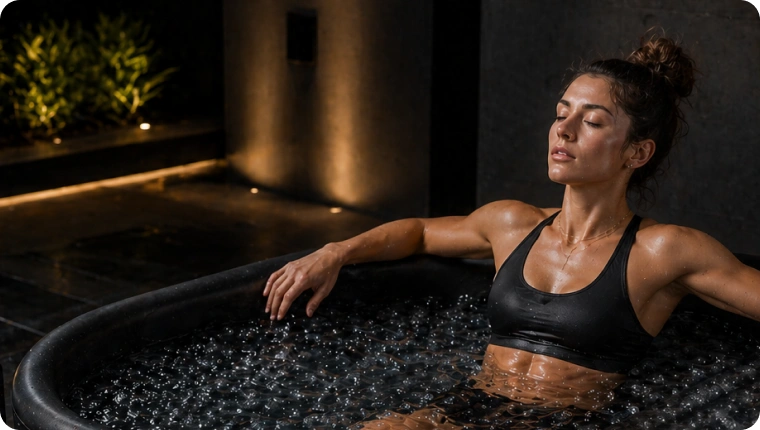
Category: Recovery & Wellness
Benefits of Cold Therapy: What Actually Happens to the Body
Cold therapy has been used for over 2,000 years. Hippocrates documented it in 400 BC. It is one of the oldest recovery methods in existence. The real question is not whether cold water immersion works. Peer-reviewed research, sports medicine data, and long-term user feedback all point in the same direction. The question is what the benefits of cold therapy truly
Cold therapy has been used for over 2,000 years. Hippocrates documented it in 400 BC. It is one of the oldest recovery methods in existence. The real question is not whether cold water immersion works. Peer-reviewed research, sports medicine data, and long-term user feedback all point in the same direction.
The question is what the benefits of cold therapy truly are, when they appear, and what level of consistency it takes to experience them.
This guide covers the physical and mental outcomes backed by research, a realistic week-by-week timeline, and how everyday users describe the results after months of daily cold water therapy.
What Cold Therapy Does to the Body
When the body enters cold water, blood vessels constrict immediately. Blood flow to the extremities and muscle tissue decreases. Core temperature begins to drop.
This triggers a cascade of physiological responses that explain most of the cold exposure benefits users report.
- Noradrenaline increases by up to 530% from cold exposure. This directly raises arousal, alertness, and cognitive function. (UF Health Jacksonville, 2024)
- Dopamine increases by up to 250%. This affects mood, motivation, and the sense of reward after a session. (UF Health Jacksonville, 2024)
- Brown adipose tissue is activated. This raises energy expenditure and boosts metabolism over time.
- The nervous system shifts into a recovery and repair state as the body works to regulate core temperature.
- Inflammatory markers in muscle tissue drop as blood vessels constrict and metabolic waste is removed.
These are not anecdotal claims. They come from peer-reviewed studies on cold water immersion and cryostimulation. A 2024 review in the Journal of Thermal Biology examined 24 studies on cold exposure in healthy adults and confirmed consistent cardiovascular and neurological responses.
Physical Recovery: What Cold Plunging Does After Training
Cold therapy for recovery is the most well-documented benefit across both research and real-world use. During exercise, muscle tissue breaks down. Metabolic waste accumulates. Inflammation begins. Cold immersion addresses all three simultaneously.
- Blood vessel constriction flushes metabolic waste, including lactic acid, out of muscle tissue faster than passive rest
- Inflammatory markers drop within hours of cold water immersion at 37 to 50°F
- Muscle soreness 24 to 48 hours post-training is reduced with consistent post-workout cold exposure
- Athletes using cold therapy report returning to full training capacity faster than those using rest alone
- Joint inflammation and soft tissue soreness respond particularly well to cold immersion therapy
Real-world data support this pattern. A football coach who introduced two Titan cold plunge units for team recovery reported a 16% improvement in team performance within the first month of consistent post-practice sessions.
Many people use ice baths and cold plunge setups interchangeably for recovery, but there are meaningful differences worth understanding before choosing a setup. Read the full breakdown of the difference between ice baths and cold plunges before deciding which method fits the routine.
Mental Benefits of Cold Therapy: Focus, Mood, and Stress
The mental benefits of cold therapy are what most first-time users are surprised by. The physical recovery outcomes are expected. The cognitive shift after a session is not.
The 530% noradrenaline spike is the mechanism behind the focus and alertness users describe after a session. Noradrenaline is directly linked to attention, concentration, and mental sharpness.
The 250% dopamine increase explains the mood lift and sense of motivation that typically lasts two to four hours post-session.
- Stress resilience builds over time. Repeated cold exposure trains the nervous system to handle stress more effectively
- A 2025 PLOS One analysis of 11 cold water immersion studies confirmed temporary stress reduction as one of the most consistent outcomes
- Mental clarity improvements are reported by most daily users within the first two weeks of consistent practice
- Cold therapy builds what researchers describe as a controlled stress response, which reduces reactivity to everyday stressors over time
The key distinction is consistency. One cold plunge session produces a temporary neurological response. A daily cold therapy routine over 60 to 90 days produces cumulative and lasting changes in stress response and mental baseline.
Cold Therapy and Sleep: What the Research Shows
Sleep improvement is one of the first benefits most consistent cold plungers notice. It typically appears within the first two weeks.
The mechanism is straightforward. Cold exposure lowers core body temperature. Lower core temperature signals the brain to prepare for sleep. This is the same process that happens naturally as the body prepares for rest each night.
- Cold water therapy after evening workouts accelerates the natural temperature drop that precedes deep sleep
- A January 2025 PLOS One analysis of 11 cold immersion studies listed improved sleep quality as one of the most consistent findings across participants
- Harvard Health reviewed the same research in June 2025 and confirmed temporary sleep quality improvement as a reliable outcome
- Users who plunge 2 to 3 hours before bed report stronger sleep improvement than morning plungers
Timing matters for this benefit specifically. Morning sessions drive energy and focus. Evening sessions drive sleep quality. Both deliver recovery benefits. The choice depends on the individual’s goal.
Cold Therapy Benefits for Athletes vs Everyday Users
The physiological response to cold immersion is identical for athletes and everyday users. The same temperature triggers the same hormonal and vascular responses regardless of fitness level.
The practical benefits differ based on how the body is being used day to day. Athletes and active training users report:
- Faster return to training after intense sessions
- Reduced joint soreness after high-impact or high-volume work
- Improved consistency in training frequency due to faster recovery cycles
- Shorter perceived effort in subsequent sessions when cold therapy is used post-workout
Every day users report:
- Higher morning energy without caffeine dependency
- Reduced afternoon fatigue on days when cold plunging is part of the morning routine
- Lower stress reactivity throughout the day
- More consistent mood and mental baseline over weeks of daily use
Daily cold plunge benefits compound in both groups. The results are dose-dependent. Three sessions per week over 60 days produce measurably different outcomes than one session per week for the same period.
For those planning to build cold therapy into a consistent routine, choosing the right cold plunge system affects long-term usability more than most beginners expect. See the top options ranked by performance and value in the guide to the best cold plunge systems for home use.
What to Expect: Cold Therapy Results by Timeline
Most people start cold therapy with unrealistic expectations in both directions. Some expect results immediately. Others quit before results appear. The research and user data both point to a consistent pattern.
| Timeline | What Most Users Report |
| Week 1 | Discomfort is high. Sessions under 2 minutes. Breathing is fast and hard to control. Getting in is the hardest part. |
| Week 2 | Adaptation begins. First 10 seconds are still hard but manageable. Breath control improves. Temperature tolerance increases gradually. |
| Month 1 | Sleep improvement noted by most daily users. Morning energy is higher. Muscle soreness after training starts to reduce. |
| Months 2 to 3 | Focus and mood become more consistent. Cold feels less threatening. Sessions extend naturally to 3 to 5 minutes. |
| Month 4 and beyond | Benefits compound. Daily habit feels automatic. Recovery, mood, and energy all stabilise at a new baseline. |
Baylor Scott and White Health confirmed in 2025 that the benefits of cold therapy are often not experienced immediately and are the result of chronic exposure after months of consistent participation.
This is the most important fact that most beginner guides skip. Cold therapy is not a one-session fix. It is a consistency-based practice.
Beginners starting cold therapy for the first time benefit from understanding the differences between inflatable tubs, insulated setups, and chiller-based systems. The beginner cold plunge buying guide covers what to look for before the first purchase.
How to Start a Cold Therapy Routine
Starting cold therapy does not require expensive equipment. What it requires is a consistent approach and realistic expectations about the first few weeks.
- Start temperature: 55 to 59°F for the first two weeks. Going straight to 37°F cuts sessions short and slows adaptation.
- Session length: 1 to 2 minutes in week one. Build to 3 to 5 minutes by the end of month one.
- Frequency: 3 sessions per week minimum to produce cumulative benefit. Daily sessions produce faster results.
- Timing for energy: Morning sessions before breakfast drive the strongest alertness and focus response.
- Timing for sleep: Evening sessions (2 to 3 hours before bed) produce the most consistent sleep improvement.
- Equipment: Options range from a bag of ice and a stock tank to dedicated chiller-based cold plunge systems with app-controlled temperature.
The equipment choice matters more as frequency increases. Ice baths cost $22 to $60 per week, for five sessions. A chiller-based system pays for itself within 3 to 4 months at that pace and removes the daily preparation barrier.
For a detailed look at how one chiller-based system performs over months of daily use, the titan cold plunge review covers what verified buyers report after 90 days or more of consistent cold therapy.
Final Thoughts
The benefits of cold therapy are real. They are documented in peer-reviewed research and reported consistently by long-term users across multiple platforms. Muscle recovery, reduced inflammation, improved sleep, sharper focus, higher energy, and lower stress reactivity are the outcomes that appear most reliably with consistent practice.
None of them appear after one session. All of them appear after two to three months of consistent cold water therapy at the right temperature and frequency. The method matters less than the consistency. Three sessions per week at 50°F for three months will produce more measurable results than one session per week at 37°F for the same period.
Start at a manageable temperature. Build the habit. The results follow from there.
RECENT BLOGS
How Often Should You Cold Plunge Per Week? What the Science Says
Aug. 05, 2026
What Temperature Should a Cold Plunge Be – A Free Guide?
Jul. 30, 2026
How Long Should You Cold Plunge? The Research-Backed Answer for Every Level
Jul. 29, 2026Cold Plunge Water Maintenance Guide: How to Keep It Clean, Safe, and Clear
Jun. 20, 2026
Cold Plunge and Mental Health: What the Research Shows for Stress, Anxiety, and Focus
Jun. 19, 2026Recent Blogs
How Often Should You Cold Plunge Per Week? What the Science Says
This is the most common confusion cold plunge users have. They always have to spend a lot of time deciding…
August 5, 2026
Read More
What Temperature Should a Cold Plunge Be – A Free Guide?
For most people, the sweet spot falls between 50°F (10°C) and 59°F (15°C). But where you land in that range…
July 30, 2026
Read More
How Long Should You Cold Plunge? The Research-Backed Answer for Every Level
Wondering how long you should actually stay in that cold water? So for most people, 2 to 5 minutes per…
July 29, 2026
Read More
Cold Plunge Water Maintenance Guide: How to Keep It Clean, Safe, and Clear
A cold plunge that is not maintained regularly becomes a hygiene problem within weeks. The water clouds up. The walls…
June 20, 2026
Read More
Cold Plunge and Mental Health: What the Research Shows for Stress, Anxiety, and Focus
Thousands of people get into ice-cold water each morning. Not because it feels like a relief. But because something shifts…
June 19, 2026
Read More
Cold Plunge for Muscle Recovery: What Actually Helps and What It Can’t Do
Today, cold plunges have become a standard part of recovery routines. Most of the athletes are using it for their…
June 16, 2026
Read More