
Date : June 12, 2026
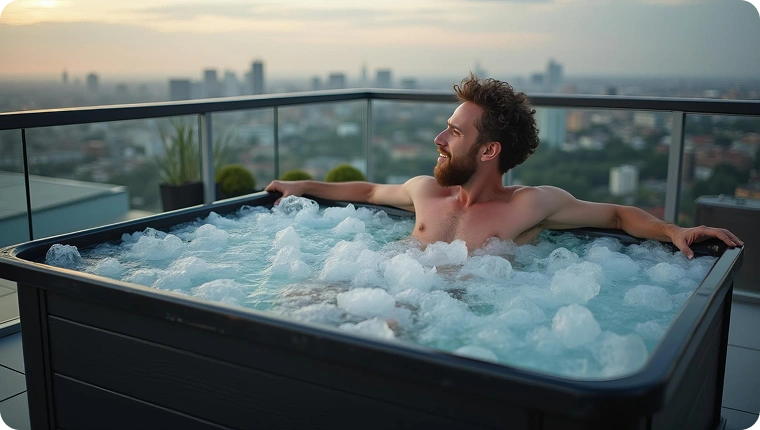
Category: Recovery & Wellness
Common Cold Therapy Mistakes (And What to Do Instead)
Cold therapy works. But most people are doing it wrong. Here is what actually gets in the way. You start cold plunging. The first few sessions feel rough. A week passes. Then another. You are not sleeping better. And still, recovery is not improving. You just feel cold and miserable after every session. Where is the issue? The majority of
Cold therapy works. But most people are doing it wrong. Here is what actually gets in the way. You start cold plunging. The first few sessions feel rough. A week passes. Then another. You are not sleeping better. And still, recovery is not improving. You just feel cold and miserable after every session. Where is the issue? The majority of people do it that way.
Cold water immersion is one of the most effective recovery and wellness tools available today. But it punishes bad habits fast. Wrong temperature, wrong timing, wrong exit routine, and you either get zero results or you put yourself at risk.
Here are the six mistakes that kill your results before you even see them. Resolve these, and the procedure is transformed completely.
Mistake #1: Starting with Too Low Temperature.
Most beginners go straight to 45°F. They think colder means better RESULTS. But it’s never like this. The body goes into cold shock response mode at that temperature. Heart rate spikes, breathing becomes uncontrolled, and the session is usually over in under 30 seconds. This response can never be an adaptation. Do you know what it really is? Stress. With NO benefit.
If you want results, you must start with the right range: 55-60°F, which is cold enough to work. Also, this range is manageable enough to build a real practice.
The fix: Start at 55 to 58°F. Stay consistent at that temperature for one to two weeks. Drop two to three degrees only after your breathing stays controlled, and the sessions feel manageable. Progress that way, not by chasing the coldest number possible.
Mistake 2: Treating Longer as Better
If two minutes works, ten minutes must work five times as well, right? That is not how cold therapy works. After 15 minutes in cold water, there is no further benefit to recovery, and the risk of hypothermia also increases. The data does not support longer sessions. What it supports is consistency across the week.
Andrew Huberman’s protocol, drawn from peer-reviewed research, recommends roughly 11 minutes of total cold exposure per week. Split across two to four sessions of one to five minutes each. That is it.
The fix: Set a timer. Always aim for approx. 3 to 5 minutes per session. And then exit when the timer goes off. Because a short, consistent session can beat one marathon plunge every two weeks.
Mistake 3: Plunging Right After Lifting
This is the most underreported mistake in cold therapy. If building muscle is part of your goal, this one will quietly work against you.
Immediate immersion in water after strength training stops your body from making muscle protein. This happens because cold water reduces blood flow to your muscles right after you have done resistance exercises. As a result, your muscles cannot take in protein properly. Have a hard time dealing with the stress of training. When you do strength training, your body uses energy to start the process of building muscle.
However, taking a cold bath right after can suppress this process. The cold water restricts your muscles from getting the nutrients they need to grow and repair. This can limit how well your muscles respond to the training.
But cold therapy is still highly effective for recovery. The TIMING just matters.
- When cold therapy helps: After cardio, endurance training, or on rest days.
- After strength training for the goal: Wait at least 4 to 6 hours. Or plunge before your session instead.
The fix: Align your plunge timing with your actual goals. If you lift for size, cold immersion right after is working against you. If you train for performance or want faster soreness relief, timing it away from your lifting window gives you the best of both.
Mistake 4: Ignoring the Afterdrop
Most people think the risk ends when you step out of the cold plunge. It does not. This is where a lot of beginners make their biggest mistake.
Afterdrop is the continued fall in core body temperature after you exit cold water. Here is what happens: while you are submerged, your blood vessels constrict, and blood flow to the extremities slows. The moment you exit, those vessels dilate again. That cold blood from your arms and legs floods back to your core. Your core temperature actually keeps dropping for several minutes after you are out.
Mild afterdrop means shivering and feeling unwell. A significant afterdrop raises your hypothermia risk.
The biggest afterdrop mistake: jumping straight into a hot shower. This forces rapid vasodilation and rushes that cold blood to your core even faster. It makes the afterdrop significantly worse.
The fix: Step out, remove wet clothes immediately, dry off fully, and put on warm layers. Drink something warm. Do light movement. Let your body rewarm naturally for 15 to 20 minutes. Only use active heat, like a hot shower or sauna, after that process has started.
Mistake 5: Cold Plunging While Sick
Cold therapy builds resilience over time. It does not fix illness in the short term. If you have a fever or active infection, your immune system is already running in high-stress mode. Adding cold shock on top forces your body to manage two significant stressors at once. That slows recovery and can worsen your symptoms.
The fix: Pause your sessions when you are sick. Resume once you have been fever-free for 48 hours. Missing a week of cold plunging will not undo your progress. Pushing through while sick can set you back by two to three weeks.
The practice is a long-term tool. Protect it by being smart about when you use it.
Mistake 6: No Breathing Control Before Getting In
A lot of people start panic breathing the second they step into cold water. Quick, sharp breaths followed by pauses. It adds unnecessary difficulty and puts people’s health at risk.
Deliberate hyperventilation before a plunge is especially dangerous. It drops CO₂ levels fast, which can lead to lightheadedness or fainting mid-session. Never do that.
The fix: Take three to five slow, controlled breaths before you enter. Once you are in, exhale slowly and deliberately. That single habit makes cold water more tolerable, keeps your nervous system from going into full panic mode, and makes every session safer.
Controlled breathing is not about being tough. It is about working with your physiology instead of fighting it.
Your Setup Matters More Than You Think
All six of these mistakes are protocol errors. But there is a seventh problem that often sits underneath all of them: inconsistent equipment.
When you are using ice bags in a bathtub, your temperature shifts between sessions. You lose control of the one variable that matters most. That makes it almost impossible to build a reliable protocol or track real progress.
A dedicated cold plunge system solves that. The Titan Cold Plunge, built by Titan Wellness, holds a consistent temperature session after session. That consistency is what turns a habit into a practice that genuinely produces results. When the temperature is controlled, everything else becomes easier to calibrate.
Commonly Asked Questions
1. What temperature should a beginner start with for cold therapy?
Start your process at a temperature between 55 and 60°F. Anything below 45°F on day one usually triggers a full cold shock response rather than the calm and adaptive response you really want from cold water therapy. So it’s better to drop the temperature by two to three degrees every one to two weeks as your tolerance builds up.
2. Why do I gasp or hyperventilate every time I get in?
That gasp reflex is your body’s automatic cold shock response. This happens to everyone when they first get in. To deal with it, try this: breathe in through your nose, hold for a second, then breathe out slower than you inhaled. This helps calm your body down within 30 to 60 seconds.
3. Is it normal to feel worse after a cold plunge?
If you feel a bit shivery and cold for a short time while plunging, then there is not a big issue. But if you feel really unwell, dizzy, or can’t warm up even after 20 to 30 minutes, that’s not normal. That usually points to a session that was too long, too cold, or followed by a hot shower too soon. Such behaviour makes the afterdrop effect worse.
4. How soon after cold plunging can I take a hot shower?
Wait until your body has started rewarming on its own, usually 15 to 20 minutes. Jumping into a hot shower right away worsens afterdrop by rushing cold blood back to your core faster than your body can handle it.
5. Should I cold plunge in the morning or evening?
The adrenaline and norepinephrine released during a morning session generally increase energy and alertness. The same stimulant effect may make it difficult for some people to sleep at evening sessions. If your goal is recovery, timing matters less than consistency. If your goal is energy, doing it in the morning is usually a better option for you.
RECENT BLOGS
How Often Should You Cold Plunge Per Week? What the Science Says
Aug. 05, 2026
What Temperature Should a Cold Plunge Be – A Free Guide?
Jul. 30, 2026How Long Should You Cold Plunge? The Research-Backed Answer for Every Level
Jul. 29, 2026
Cold Plunge Water Maintenance Guide: How to Keep It Clean, Safe, and Clear
Jun. 20, 2026
Cold Plunge and Mental Health: What the Research Shows for Stress, Anxiety, and Focus
Jun. 19, 2026Recent Blogs
How Often Should You Cold Plunge Per Week? What the Science Says
This is the most common confusion cold plunge users have. They always have to spend a lot of time deciding…
August 5, 2026
Read More
What Temperature Should a Cold Plunge Be – A Free Guide?
For most people, the sweet spot falls between 50°F (10°C) and 59°F (15°C). But where you land in that range…
July 30, 2026
Read More
How Long Should You Cold Plunge? The Research-Backed Answer for Every Level
Wondering how long you should actually stay in that cold water? So for most people, 2 to 5 minutes per…
July 29, 2026
Read More
Cold Plunge Water Maintenance Guide: How to Keep It Clean, Safe, and Clear
A cold plunge that is not maintained regularly becomes a hygiene problem within weeks. The water clouds up. The walls…
June 20, 2026
Read More
Cold Plunge and Mental Health: What the Research Shows for Stress, Anxiety, and Focus
Thousands of people get into ice-cold water each morning. Not because it feels like a relief. But because something shifts…
June 19, 2026
Read More
Cold Plunge for Muscle Recovery: What Actually Helps and What It Can’t Do
Today, cold plunges have become a standard part of recovery routines. Most of the athletes are using it for their…
June 16, 2026
Read More